A garage door that suddenly starts grinding, squealing, rattling, or banging is giving you a reason to pay attention. Some sounds come from routine wear or maintenance needs. Others can signal damaged hardware or a problem with the lifting system.
The type of noise, where it comes from, and when it happens can help narrow down the cause. A squeak as the door moves may have a different explanation than a loud bang followed by a door that will not open.
Barber Overhead Door helps homeowners throughout Southeastern Wisconsin identify garage door noises and address the problems behind them.
Need garage door service?
Call Barber Overhead Door today at (262) 565-7484.
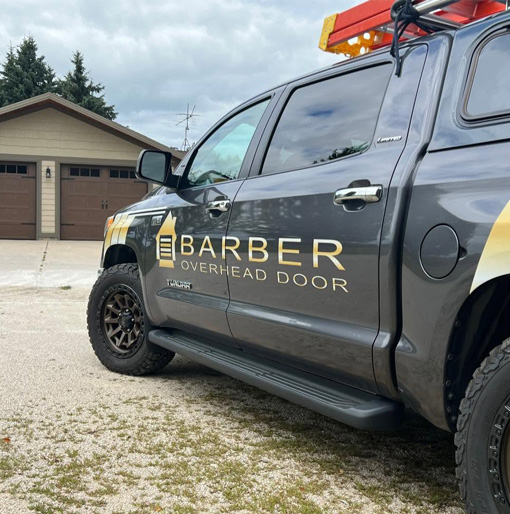
Grinding or scraping can occur when rollers, hinges, tracks, or opener components are not moving properly. A damaged part or something rubbing along the door’s path may create noise during travel.
If the sound comes with jerking, binding, or uneven movement, stop operating the door. Repeated use can put additional strain on the affected components.
Squeaking may indicate friction at moving parts or components that need maintenance. Worn rollers or hinges can also become noisy.
Lubrication may help certain components, but the correct product and application points depend on your door and opener. Follow the manufacturer’s maintenance instructions rather than spraying every visible part.
Rattling can come from loose hardware, worn components, or vibration within the opener and its mounting system. The noise may become more noticeable as the door passes through a particular point.
An inspection can determine whether the sound involves the door hardware, the opener, or both. Avoid tightening unfamiliar fasteners, especially those connected to springs, cables, or bottom brackets.
Popping or banging can occur when a component binds and releases, damaged hardware shifts, or door sections move improperly. The sound alone does not establish the cause.
If the door catches, shakes sharply, or looks crooked, discontinue use and arrange service.
A garage door spring breaking can create a loud bang, even when the door is not moving. Other failures can also make sudden noises, so an inspection is needed.
If a bang is followed by a door that will not open normally, a loose cable, or visible spring damage, leave the door in place. Do not repeatedly run the opener or attempt to lift the door yourself.
Rollers, hinges, bearings, and opener components experience wear through repeated use. As their condition changes, smooth movement can give way to squeaking, vibration, or grinding.
Some garage door components require periodic inspection and lubrication according to manufacturer instructions. Maintenance needs can become more noticeable as noise increases, but lubrication will not repair a damaged part.
A bent track, damaged section, or displaced roller can change how the door moves. A recent vehicle impact or an object caught in the opening may help explain a new sound.
Sometimes the noise comes primarily from the opener rather than the door. Worn drive components or vibration at mounting points may need attention. The door’s condition should also be checked because mechanical resistance can place extra demand on the opener.
Start by noting the sound and when it occurs. Does it happen while opening, closing, or sitting still? Is it coming from one side, above the opening, or near the motor?
From a safe position, look for visible damage, a loose cable, uneven movement, or a displaced roller. Do not reach into moving hardware or stand beneath a door that appears unstable.
Stop using the door if you notice:
Do not adjust springs, cables, drums, or bottom brackets. If the door is stuck partially open, avoid pulling the emergency release because disconnecting the opener could allow an unsupported door to fall.
Finding the source of a noise involves checking how the complete system works together. Barber Overhead Door inspects the rollers, hinges, tracks, springs, cables, door sections, and opener to identify wear, damage, or resistance.
The recommended solution depends on the findings. Maintenance may address some noises, while damaged parts require repair or replacement. Operating checks after the work help confirm smoother, dependable movement.
You should not have to guess whether a new garage door noise needs attention. Barber Overhead Door can inspect the system, identify the source, and explain the recommended work.
Call (262) 565-7484 or request a garage door repair quote to get started.
Garage doors and openers produce some operating sound. A sudden change, persistent grinding, or a new bang deserves attention, especially when movement also changes.
It may help when an approved lubrication point needs maintenance. It will not correct a broken spring, damaged roller, bent track, or failing opener component. Use the product and application points specified by the manufacturer.
Do not apply grease to the tracks as a general noise remedy. Follow your door manufacturer’s maintenance instructions. Track damage or alignment problems need correction rather than added lubricant.
Binding hardware, damaged components, or a lifting-system problem may be responsible. Stop operating the door if the bang occurs with jerking, uneven travel, or difficulty opening.
Wear, vibration, mounting issues, or resistance from the door can affect opener noise. An inspection should consider both the opener and the door before deciding what needs repair.
Not necessarily. Individual components or maintenance needs may explain the noise. The condition of the door and the source of the problem determine whether repair or replacement makes sense.
Contact Information
Serving Southeastern Wisconsin
Mon-Fri: 8:00am-6:00pm
After Hours and Emergencies,
Call or Text (262) 565-7484
Service Area Map
© Barber Overhead Door. All Rights Reserved. Web Company