A garage door is the largest moving part in most homes, and the opener is the muscle behind it.
A stuck garage door can turn a normal morning into a security and scheduling mess.
Garage door cables do more than lift a heavy door; they keep the door balanced so it rises and lowers without twisting.
A garage door is the largest moving part of most homes, so the installation needs more than a quick bolt-and-go approach.
A garage door is the biggest moving part of your home, lifting pounds every day.
Garage doors do more than open and close; they shield cars, tools, and the main entry.
A garage door should glide, not fight you. Rollers are the wheels that guide the door along its tracks, and when they wear out, every lift becomes rough, noisy, and risky.
A garage door is the biggest moving part of your home, and when it struggles, everything feels harder.
A garage door spring does the heavy lifting every time you leave for work or pull in after dinner, so one small break can stop your whole day.
A manual garage door can work for years, until busy mornings and rough weather make every lift feel like a chore.
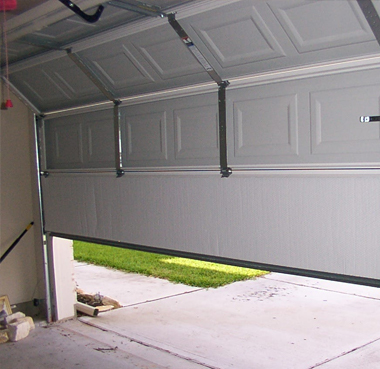
Small daylight under a closed garage door is more than an eyesore. That gap is a pathway for melting snow, wind-driven rain, and tiny pests that love warm corners.
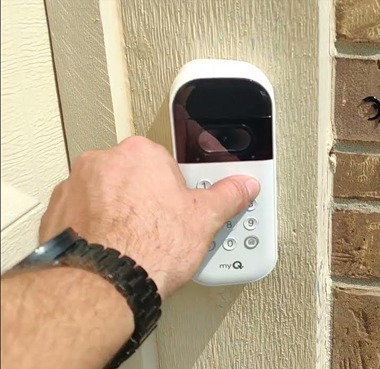
A keypad should be a simple way to open your garage when your hands are full, but one small fault can turn it into a daily hassle.
When your garage door hesitates, groans, or stops halfway, the opener is usually asking for help.
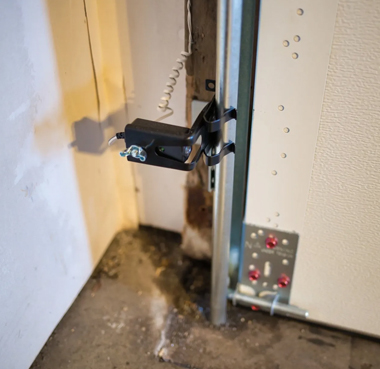
Garage door safety sensors are small, but they carry a big job: they tell the opener when something is in the way.
Garage door tracks are the steel rails that guide the door as it rises, turns, and rests overhead.